Welcome to winter! It may not be the busiest season in the garden but there is still plenty to plant and gardening jobs to do in the cooler months. In this guide, we’ll help you keep your garden alive and thriving from June all the way through to August so you can enjoy great harvests all year round.
What to Plant in June
Winter Sowing Vegetables
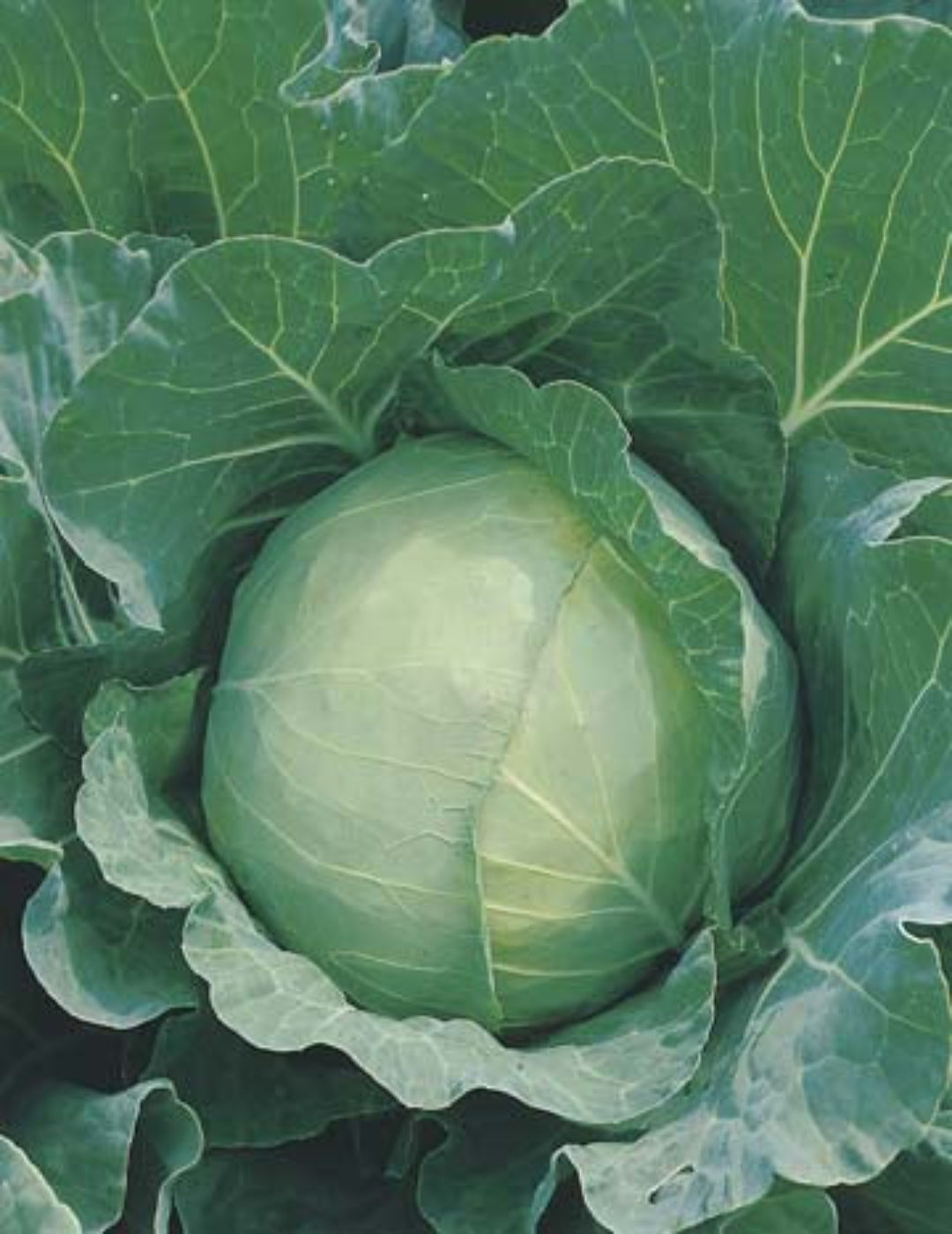
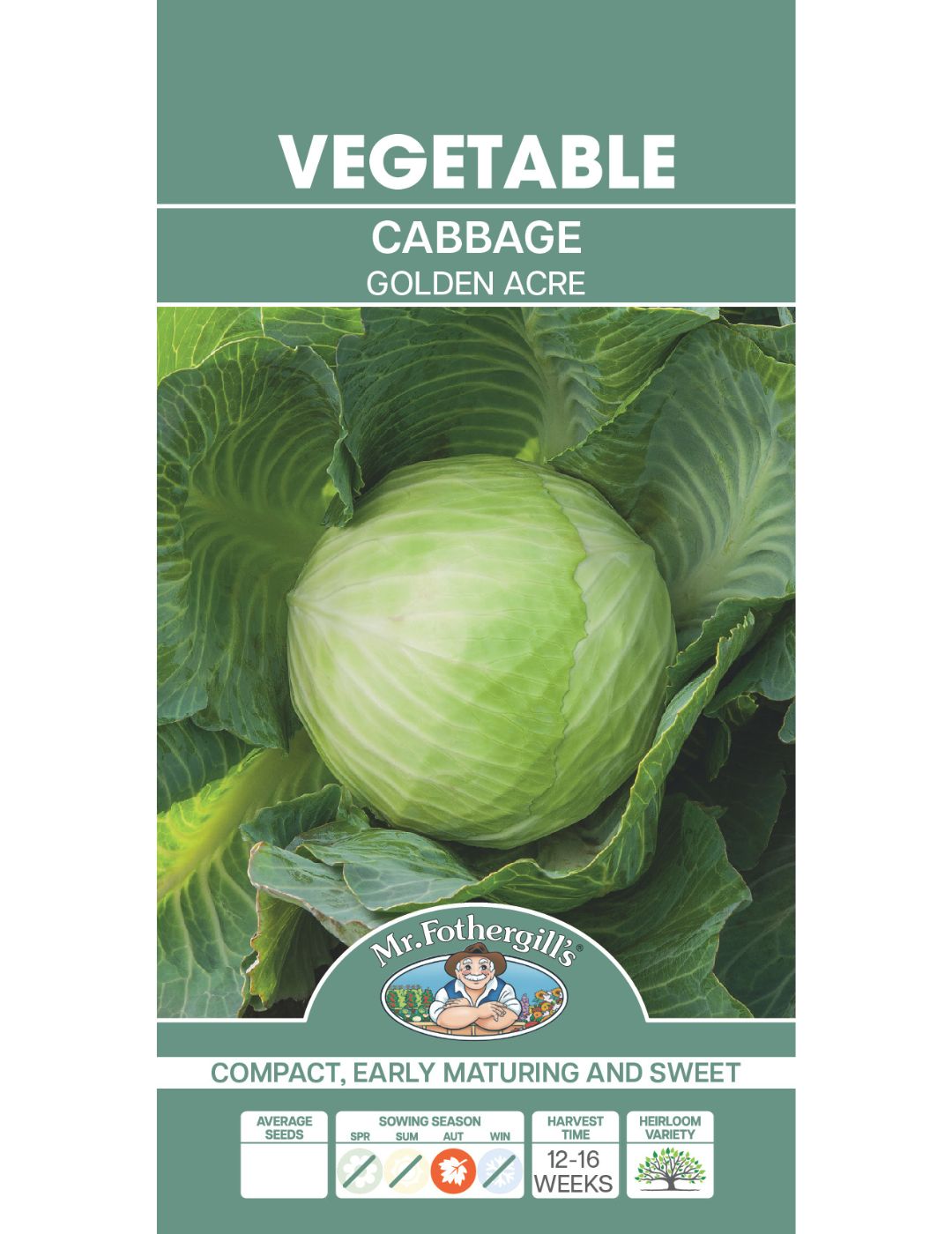
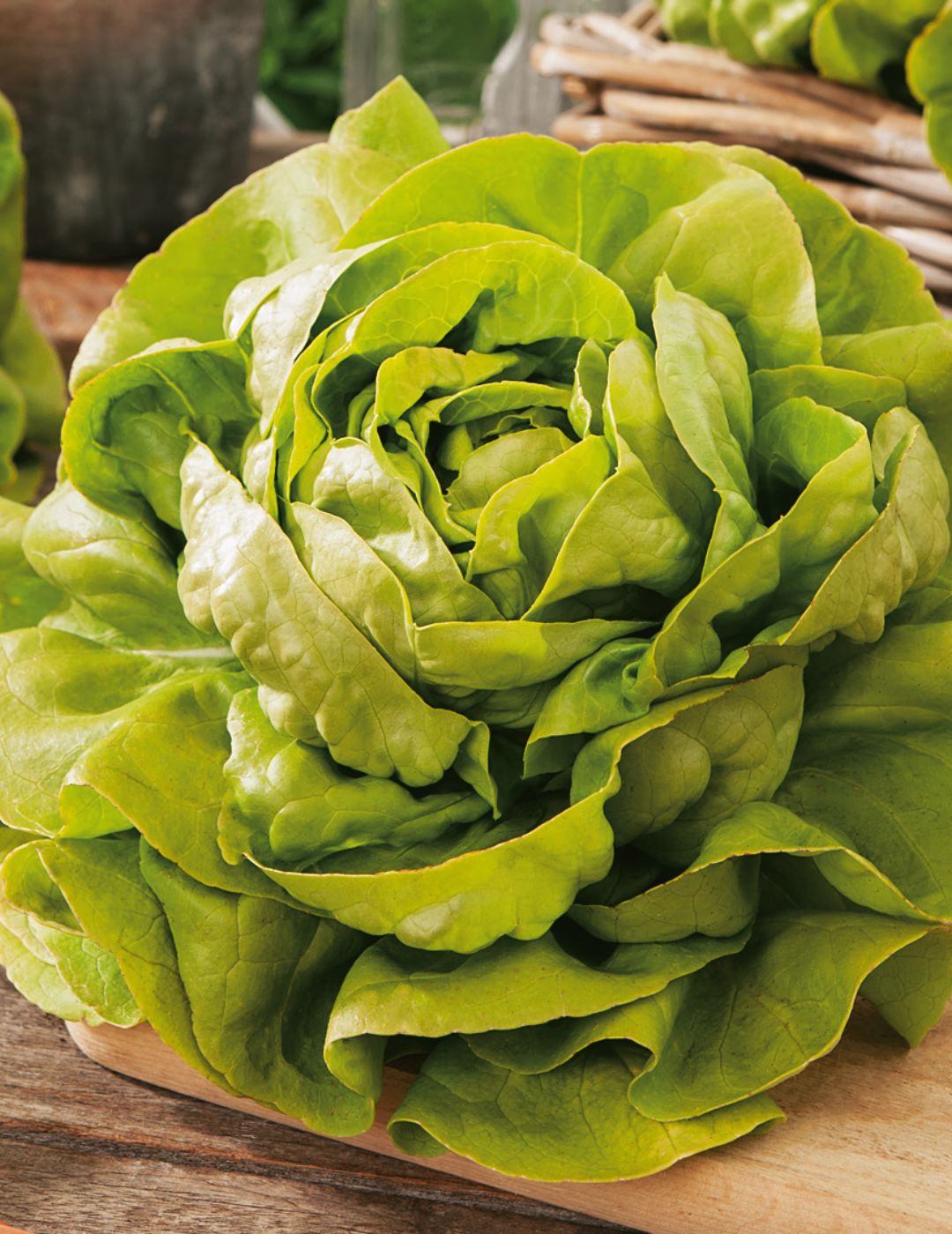
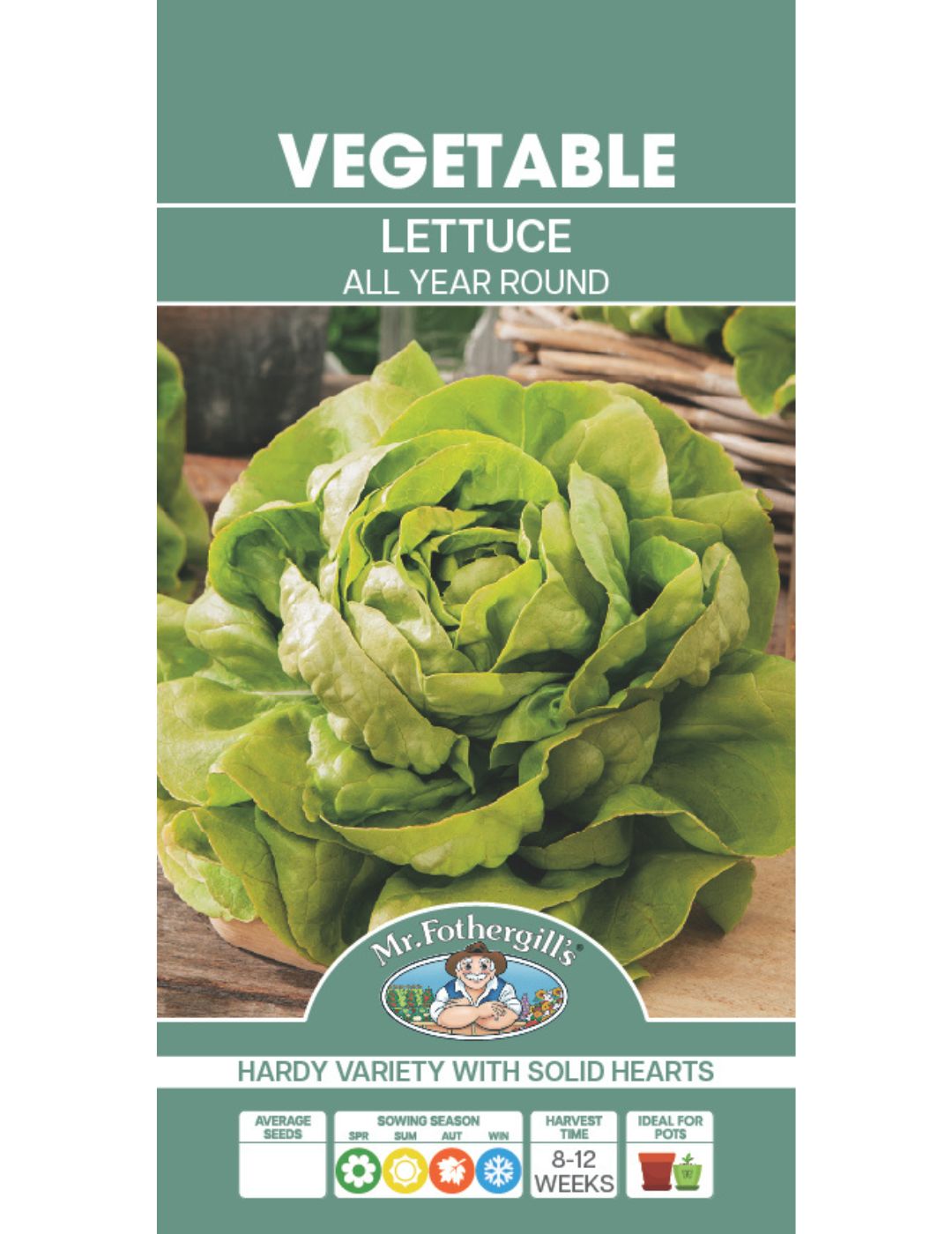
Continue making sowings of winter vegetable seeds in June , such as broad beans, cabbage, spinach, lettuce, onion, and peas, which will be suitable for planting in almost all areas as they thrive in the cooler weather.
When planting in June, fill up any leftover spots in the veggie patch with a green manure crop to protect the soil throughout the winter. This will smother weeds and provide plenty of organic matter for you to dig back through the ground in preparation for spring.
If the thought of gardening outdoors in winter doesn't take your fancy, try indoor gardening using an indoor smart garden or a sprouter to grow sprouts and microgreens.
What to Plant in July
Tend to Your Trees
In July, prioritise the transplanting of deciduous ornamental and fruiting trees, as well as shrubs and vines while they are dormant. Retain as much of the root system as possible, and cut any roughly severed roots cleanly with secateurs.
Have the new planting position ready in advance, and incorporate plenty of compost into the planting site with your existing soil. You should also water the bottom of the planting hole before your shrub goes in to ensure the root ball doesn’t dry out.
Put plenty of mulch over the soil once planted, ensuring it is kept away from the stem or shrub to prevent collar rot. At this time of year, you can also work on pruning up your existing trees, particularly your dormant, deciduous species. You should only ever use clean and sharp gardening tools to do this to prevent disease from setting in.
Work on clearing up some of the lower branches on your taller tree species, too, to open up space underneath which will improve airflow, and make sure you cleanly cut any dead or diseased branches.
Herbs and Vegetables
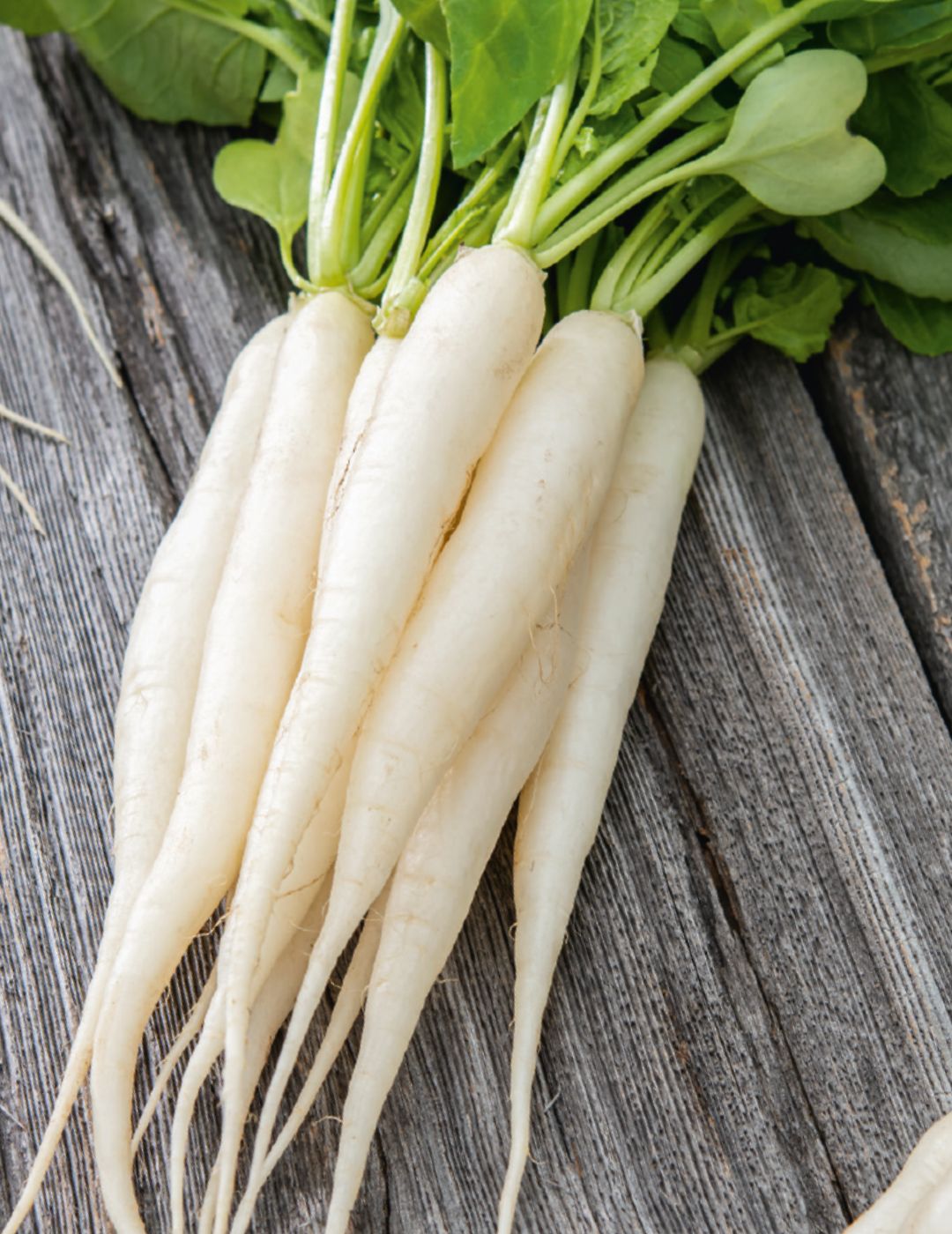
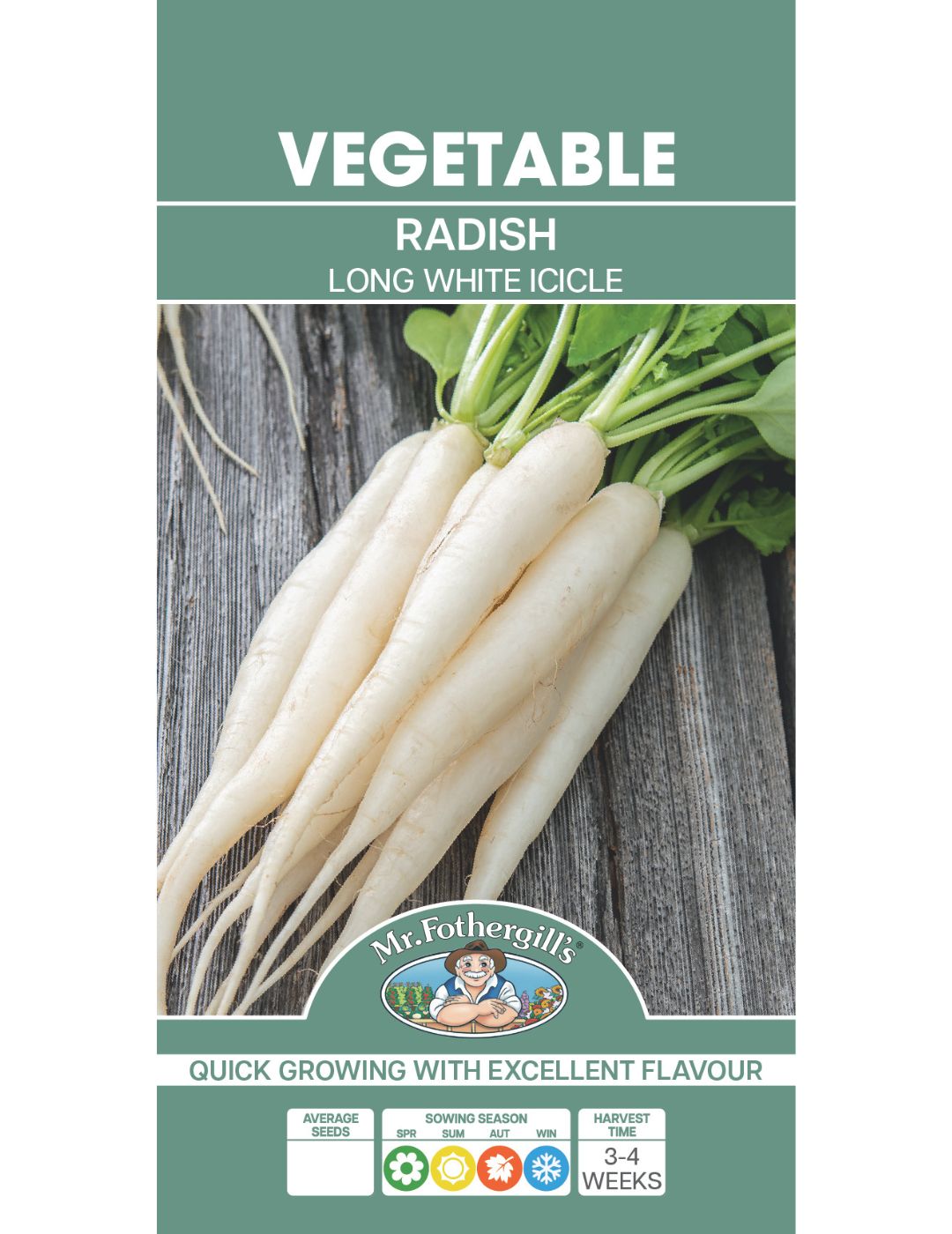
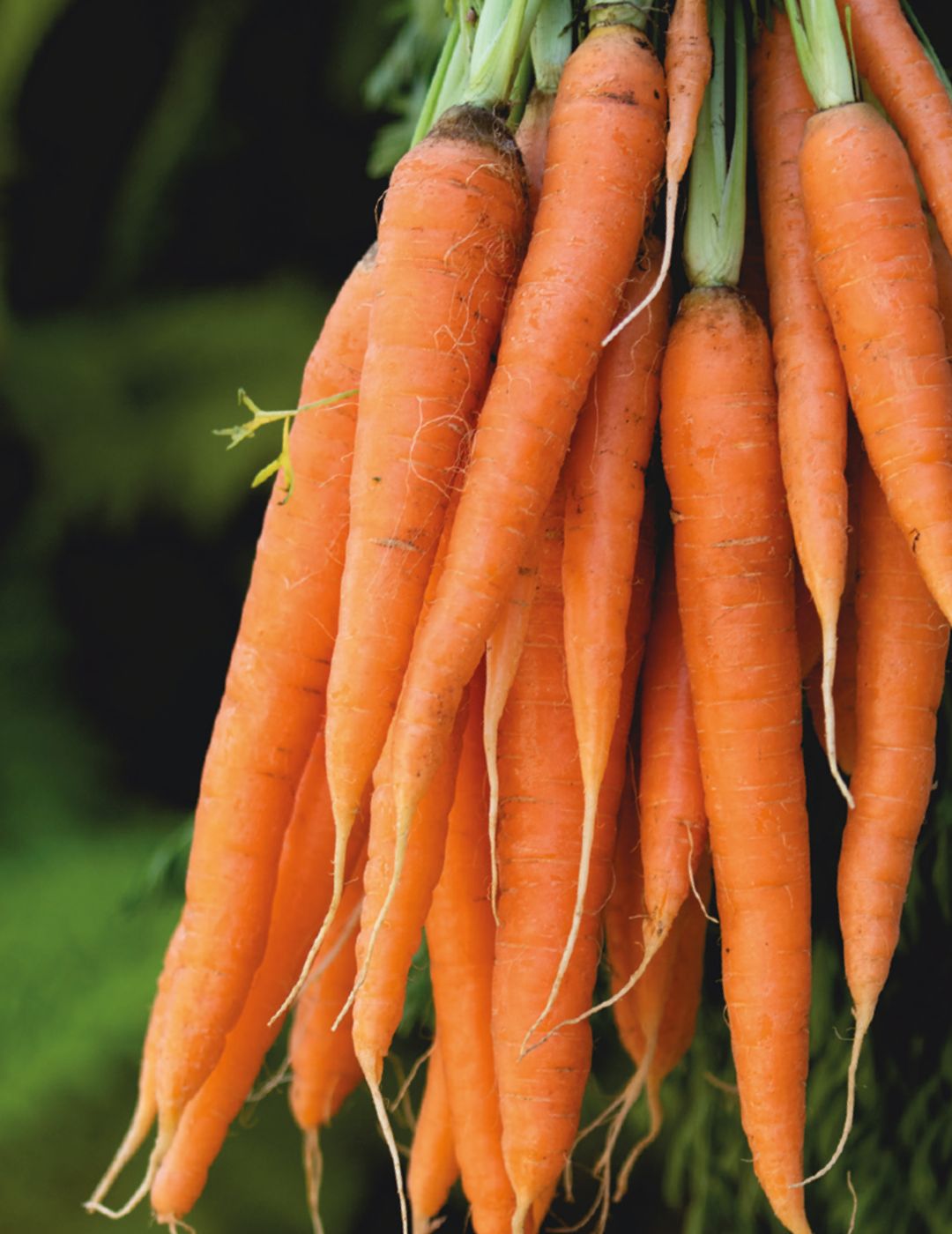
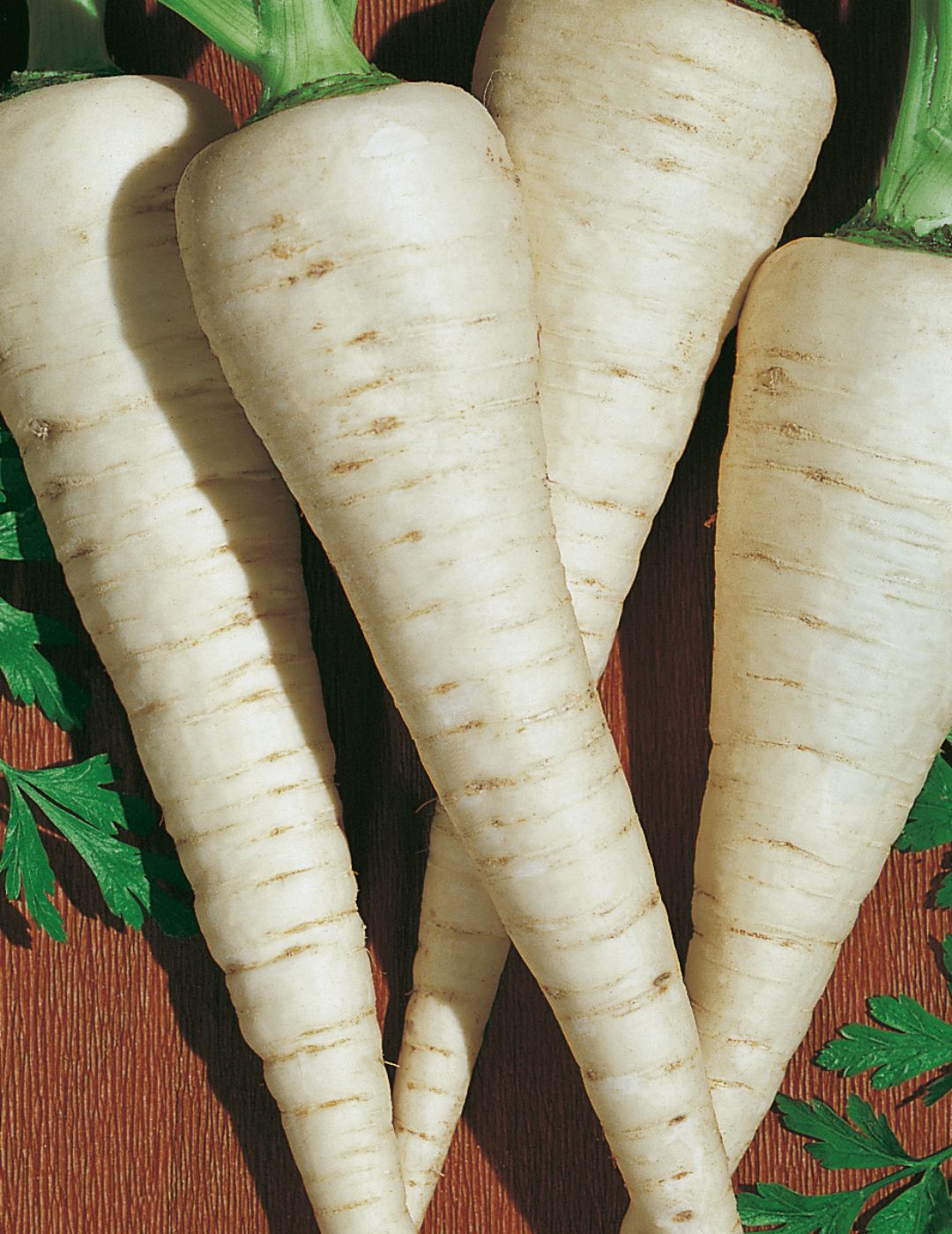
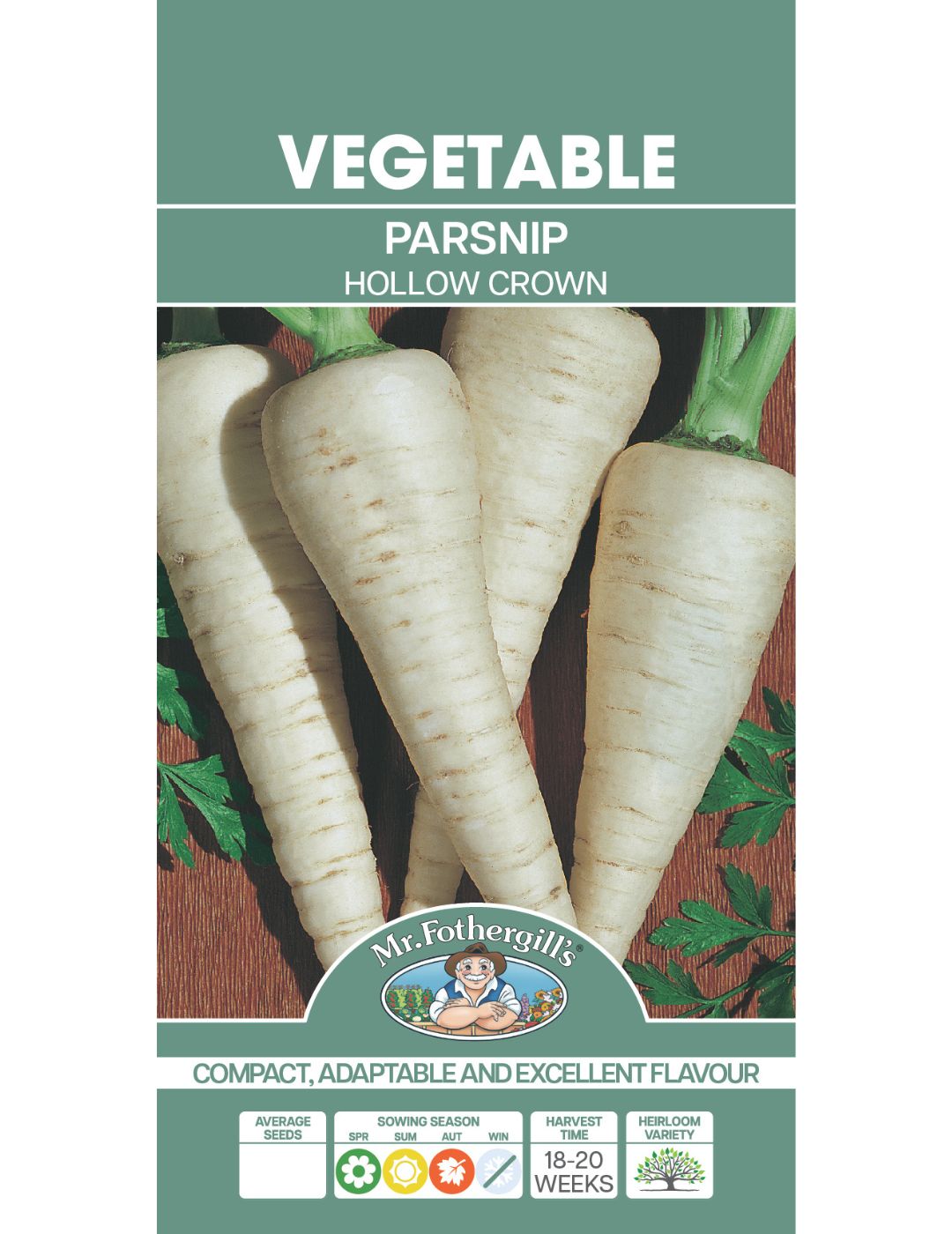
In July, the crops giving the quickest returns are radish and lettuce, but even in cool temperate regions, you can still sow many herbs and vegetables such as cabbage, carrot, celery, peas, parsley, and broad beans.
July is also a great time to sow members of the onion family, who love the cooler conditions. The easiest to grow are chives, spring onion, and garlic chives, which you should plant in a sheltered spot that receives good sun.
What to Plant in August
If you have a bare garden area in August, now is the time to apply your favourite fertiliser, compost/worm castings, and a good layer of mulch. If you still have some leafy crops such as winter lettuce, giving these an all-purpose liquid feed will kick them along nicely, too.
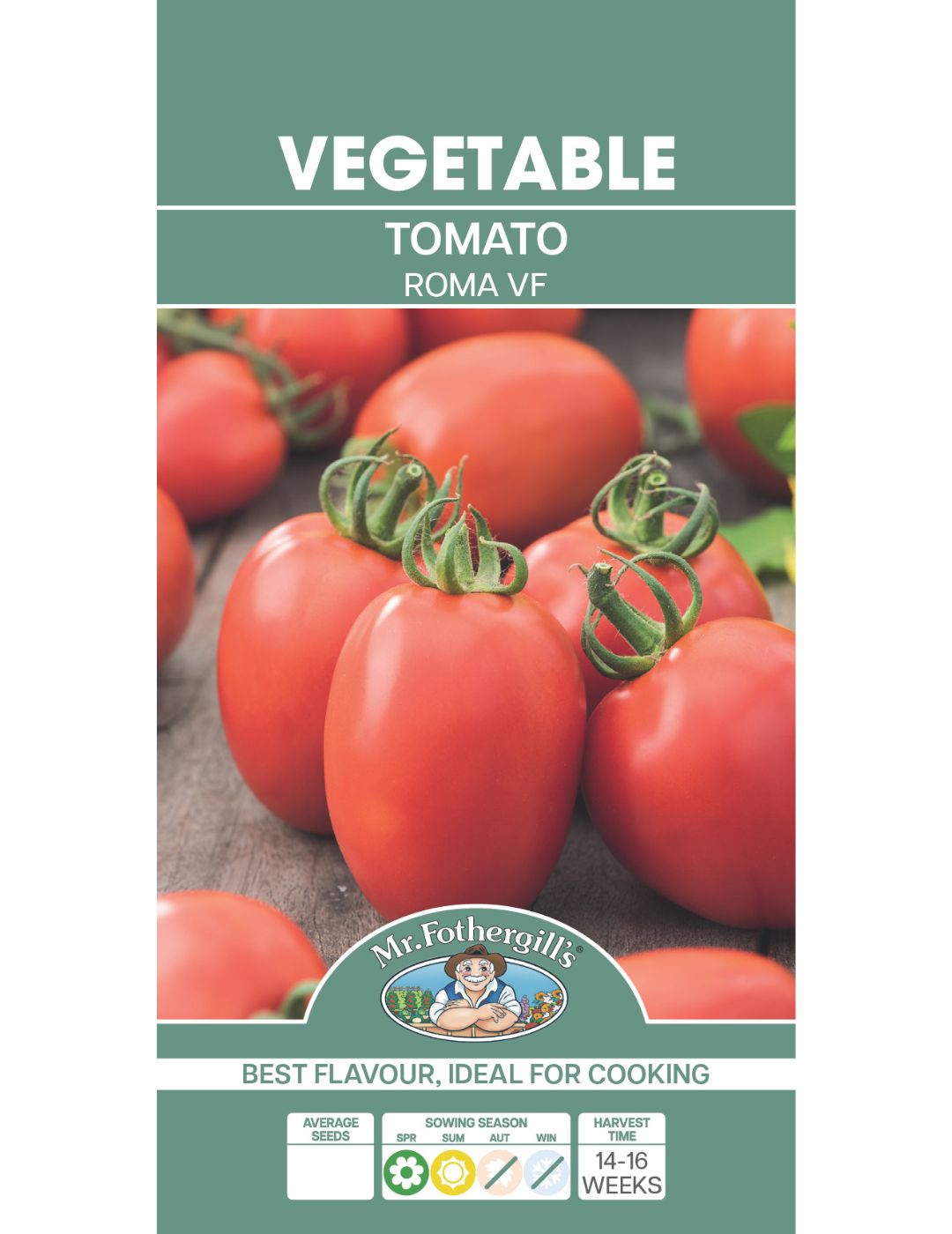
Tomatoes, Cucumbers, and Eggplants
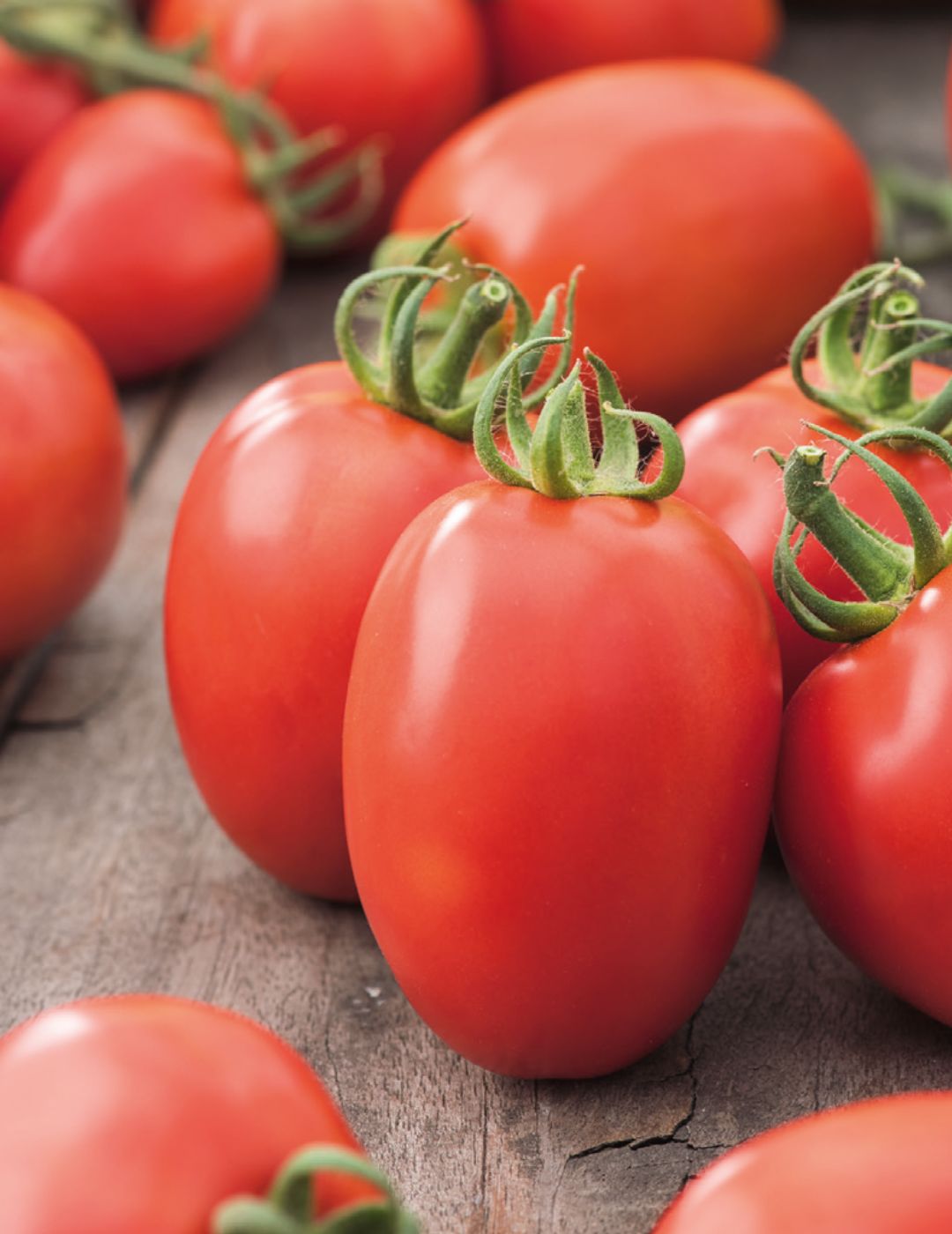
Get a head start on your cucumbers, tomatoes, capsicums, and even eggplants by using seedling trays or our Jiffy Peat Pellets/Peat Pots.
Place them in a spot where they will be well protected and receive a lot of sunlight to keep them warm or use a heat pad for the best results, with crops needing a steady warm soil of approximately 20°C or more to germinate optimally.
Flowers and Vegetables Plant in August
Not only can you get your vegetables underway in August, but you can start your flower seeds like marigolds, petunias, californian poppies, and cosmos.
Remember that your crops, particularly the fruiting ones, will require plenty of sunlight, moisture, and nutrition in August, so keep them happy and they will grow plenty of delicious produce in return. You can also plant artichoke, potatoes, and radish seeds directly into your soil at this time.